Architectural Journeys
Unmute
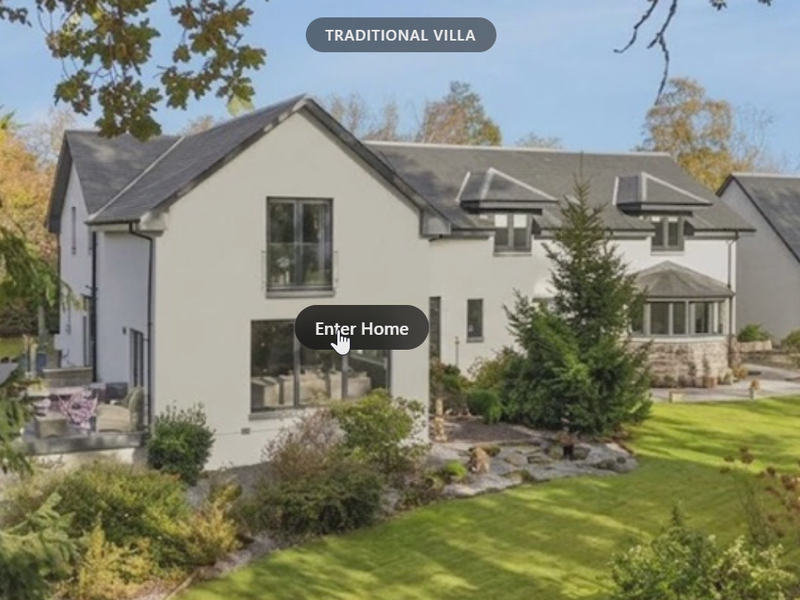
This is a gamified simulation designed to illustrate the lifecycle of property investment and renovation. Our prototype showcases the journey from a modest "fixer-upper" to a high-end luxury estate, emphasising the visual and creative satisfaction of transforming a property. By focusing on these two extremes, we demonstrate the core value of the concept: the progressive growth and rewarding experience of a real estate developer.
The current prototype features an interactive neighbourhood map that allows users to select and enter specific properties. Upon entering a home, users can explore individual rooms—such as the kitchen, bedroom, and bathroom—and engage with a "Renovate" mechanic. This feature enables players to upgrade a room through multiple stages, providing an immediate visual "before and after" transformation. To prioritise design and user experience within the 12-hour timeframe, we utilised the Lovable platform to manage the core development, allowing our team to focus on creating detailed and high-quality architectural assets.
As a proof of concept, this project is built with scalability in mind. Our vision for a full-scale version includes a diverse neighbourhood map with numerous unique properties and varied architectural styles. Furthermore, we intend to implement a functional game economy where players must manage budgets, calculate renovation costs, and sell properties for profit. While this prototype represents our initial steps, it establishes a solid foundation for a comprehensive and engaging property management simulation.
The current prototype features an interactive neighbourhood map that allows users to select and enter specific properties. Upon entering a home, users can explore individual rooms—such as the kitchen, bedroom, and bathroom—and engage with a "Renovate" mechanic. This feature enables players to upgrade a room through multiple stages, providing an immediate visual "before and after" transformation. To prioritise design and user experience within the 12-hour timeframe, we utilised the Lovable platform to manage the core development, allowing our team to focus on creating detailed and high-quality architectural assets.
As a proof of concept, this project is built with scalability in mind. Our vision for a full-scale version includes a diverse neighbourhood map with numerous unique properties and varied architectural styles. Furthermore, we intend to implement a functional game economy where players must manage budgets, calculate renovation costs, and sell properties for profit. While this prototype represents our initial steps, it establishes a solid foundation for a comprehensive and engaging property management simulation.
What challenges did you encounter?
One of our primary obstacles was navigating a series of critical technical failures during the initial development phase. We originally began building the project in Visual Basic, but we encountered recurring errors with internal resource management and frequent designer crashes. With the 12-hour hackathon deadline fast approaching, these issues threatened to stall our progress entirely. We made the decision to pivot our entire tech stack mid-competition, transitioning to the Lovable platform. This shift required our team to rapidly adapt to a new development workflow while simultaneously maintaining a high standard for our AI-generated architectural renders, ensuring that the final prototype remained both functional and visually impactful.


Made with 💖 by robots running our open-source software and GraphQL APIs.